

Match Overview: Liverpool vs Man City Under the Anfield Lights
Liverpool vs Man City performed a very good Premier League clash, and the game is considered one of modern football’s greatest rivalries. The match was full of aggressive pressing, tactical discipline, and dramatic late moments; both teams created clear chances and a fast pace throughout.
Liverpool relied on home energy and momentary individual brilliance, and Manchester City lacked patience, control, and temper in most situations. Ultimately, the fine margins, late decisions, and mental strength were decisive, making this game the perfect example of high-level football at its most competitive and unpredictable levels.
Source Premier League
First-Half Analysis: Tactical Discipline and Missed Opportunities
The first half of Liverpool vs Man City was a tactical battle, as the game was fought with some finesse. Both teams concentrated on possession and defensive organization while restricting clear chances. Liverpool‘s defence was thin and prevented a formation within City‘s formation, while City relied on passing accuracy to open up gaps in Liverpool‘s defence.
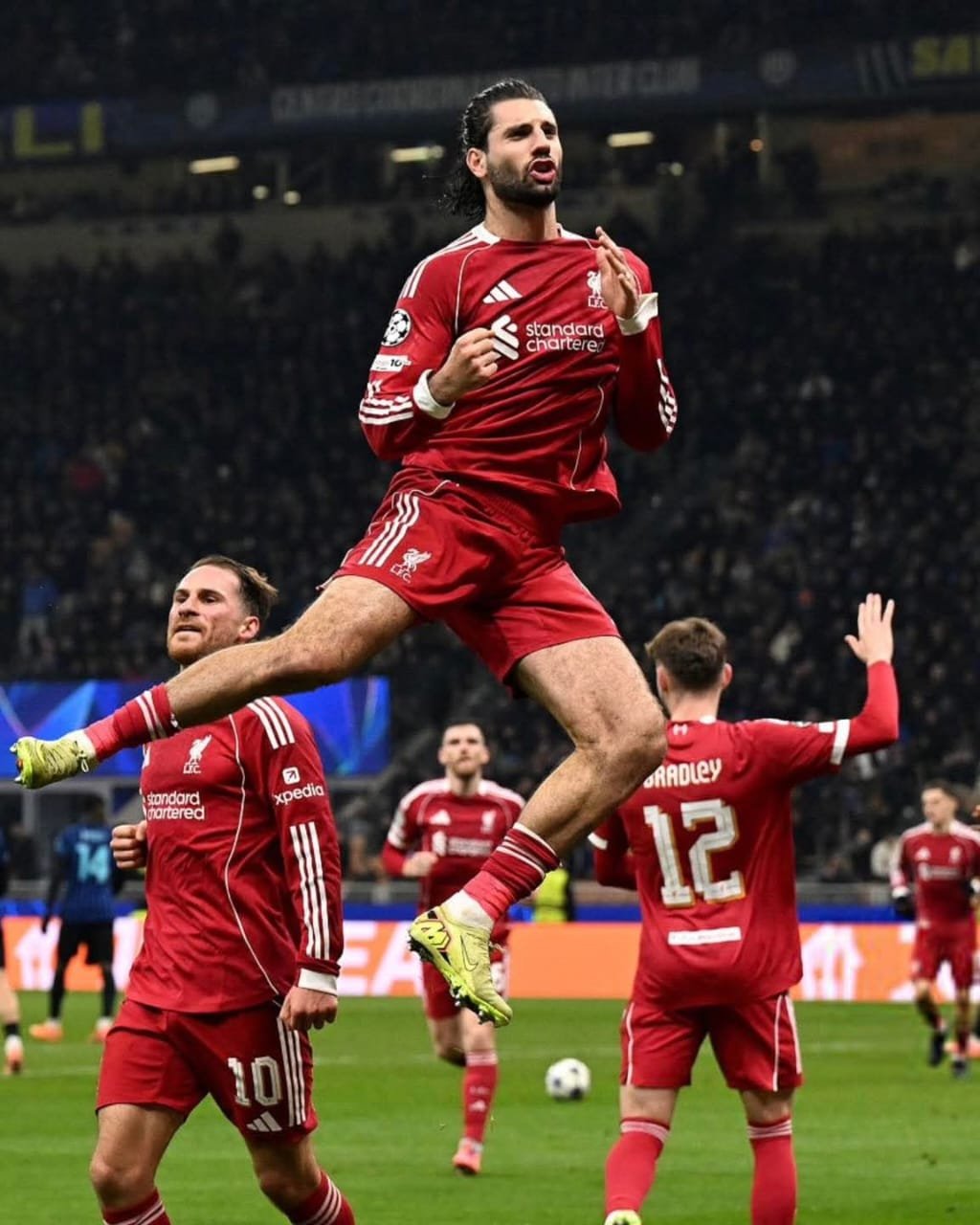
Opportunities remained scarce for this disciplined approach. The young Liverpool attackers had a few chances, but poor finishing and City’s defensive tactics did not convert. City, on the other hand, was able to control the ball but was unable to break through the Liverpool-structured backline.
This half opened up a strategic and tense second half and emphasized that in professional football, small mistakes or moments of brilliance often determine the outcome.
Second-Half Breakdown: Goals, Pressure, and Momentum Shifts
The second half of Liverpool vs Man City was full of skill, strategy, and resilience. Dominik Szoboszlai’s magnificent 30-yard free kick at the home end of the second half gave Liverpool the lead. Manchester City, but responded with relentless pressure, controlling possession and creating dangerous chances. They persevered, scoring Bernardo Silva to equalize and sending Erling Haaland in stoppage time to give City a crucial win.
This half featured the power of the ball; one goal or tactical change can completely change the game. Fans and analysts alike noticed both teams’ strengths being under pressure, and the importance of closing out matches and keeping the team focused until the last whistle.
Szoboszlai’s Stunning Free Kick That Ignited Anfield
Dominik Szoboszlai hit a spectacular 30-yard free kick that dropped perfectly into the top corner of the net and gave Liverpool the lead. His incredible technique, precision, and tact under pressure paid off in this goal. Fans swooped, and the team spirit was lifted. Szoboszlai struck at the home of Liverpool in the first half and reminded everyone why he’s one of the dangerous set-piece specialists in the Premier League.
Man City’s Late Comeback That Changed the Game
Man City’s Late Comeback That Changed the Game
In the final minutes of action, Manchester City showed their resilience and talent at Anfield. After being held to a dangerous free-kick by Liverpool goalkeeper Dominik Szoboszlai, City pushed forward in earnest and continued to attack until Bernardo Silva equalised in the 84th minute. Erling Haaland converted a stoppage-time penalty, just when it looked like the game might draw in half, to win the game 2-1.
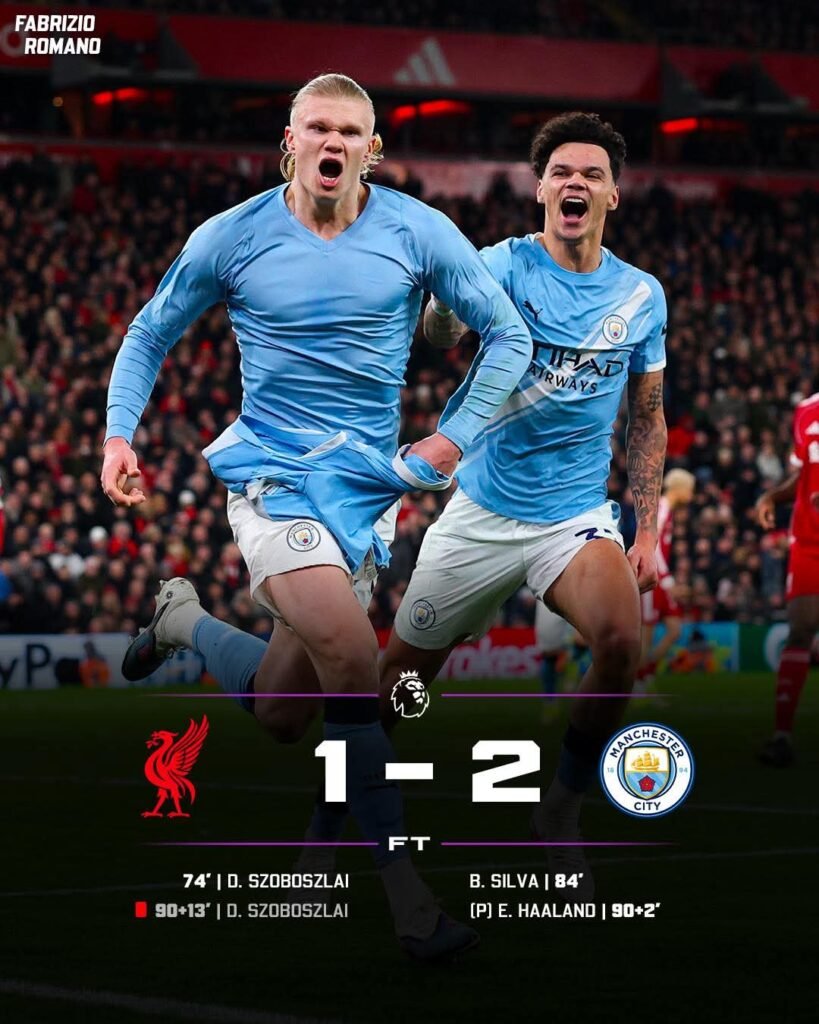
This late comeback reveals City’s mental strength, tactical discipline, and ability to respond well to situations of pressure that prove they can continue to hold their own in the Premier League title race. Fans and analysts will find it encouraging that games can turn in the final minutes, and every moment on the pitch matters.
Lessons Learned: Where Liverpool Fell Short and City Excelled
The match that night proved that there are fine lines between victory and defeat. In moments Liverpool won some good shots, especially Szoboszlai’s fantastic free-kick, but had difficulty keeping focus and defensive discipline on display in the dying moments. Mistakes at the end of the game, including a costly foul with a stoppage time penalty, were decisive.
Manchester City, on the other hand, proved resilient mentally, executed well, and was tactically able to react quickly to pressure. They were able to manage their own pressure and capitalize on late chances in a fashion that turned the game around, which illustrated why they were still a top contender in the Premier League.
One important lesson for teams and fans: football isn’t just about scoring; it’s about game management, composure, and taking the moment. The improvement of these areas for Liverpool could avoid future problems, and City’s approach provides a blueprint for winning under pressure.
About the Author